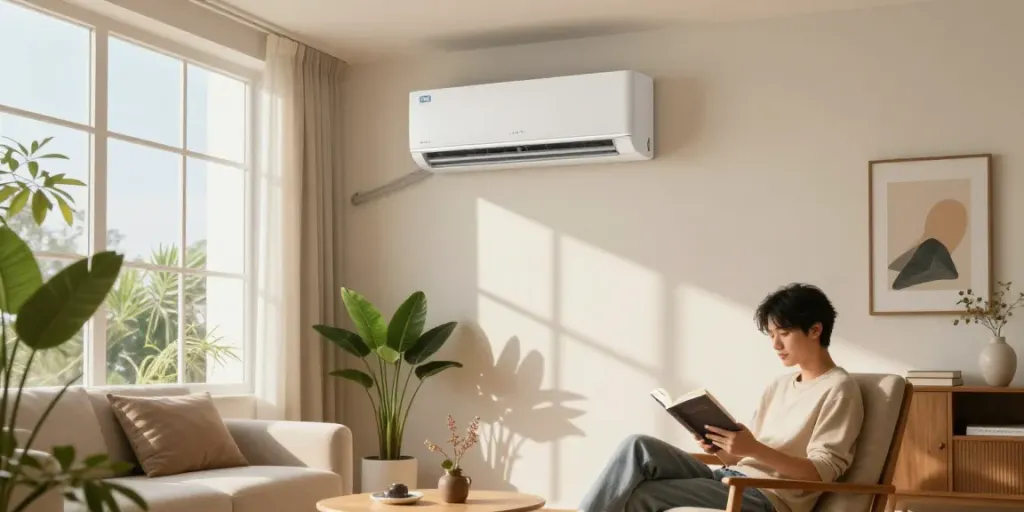
Understanding Ductless AC Systems
Ductless air conditioning systems, often referred to as mini-splits, have gained immense popularity as an ideal solution for both residential and commercial spaces. These systems operate efficiently without the need for traditional ductwork, offering a flexible and convenient cooling and heating solution. Whether you are renovating an old home or building a new structure, understanding the intricacies of ductless ac systems can help you make informed decisions that enhance comfort and energy efficiency.
What is a Ductless AC?
A ductless AC system consists of an outdoor compressor unit and one or more indoor air handling units. Unlike traditional centralized air conditioning systems, ductless models eliminate the need for extensive ductwork. Instead, they utilize small conduits to connect the indoor units to the compressor, allowing for targeted cooling and heating in different areas of your home or office.
Components of Ductless AC Systems
Understanding the components of a ductless AC system is crucial for homeowners and HVAC professionals alike. Here are the primary components:
- Outdoor Unit: This is the main compressor unit that disperses heat outside and circulates cool air indoors.
- Indoor Air Handlers: Mounted on walls or ceilings, these units distribute conditioned air throughout the space. Each indoor unit can be controlled independently, allowing for zoned climate control.
- Refrigerant Lines: These insulated lines connect the indoor and outdoor units, carrying refrigerant to facilitate heat exchange.
- Remote Control: Most ductless systems come with a remote control for ease of use and convenience.
How Ductless AC Works
The operation of ductless AC units is relatively straightforward. The outdoor unit absorbs heat from the inside air and transfers it outside. Simultaneously, the refrigerant circulates between the indoor and outdoor units, cooling the air inside while removing humidity. This process is reversed during the heating mode, where the system absorbs heat from the outside air and brings it indoors, even in cooler temperatures. The ability to efficiently manage heat exchange without ductwork is one of the standout features of ductless systems.
Benefits of Ductless AC for Homeowners
Switching to ductless air conditioning can offer numerous advantages to homeowners. From improved energy efficiency to enhanced comfort levels, ductless AC systems are revolutionizing residential cooling and heating.
Energy Efficiency and Cost Savings
Ductless AC systems are known for their superior energy efficiency. Traditional HVAC systems lose a considerable amount of energy through ductwork, which can account for approximately 30% of energy consumption. Ductless systems, on the other hand, provide targeted cooling and heating, reducing wasted energy and lowering utility bills. Additionally, many modern ductless systems are equipped with inverter technology, which adjusts the compressor speed to maintain consistent temperatures, further enhancing efficiency.
Improved Air Quality and Comfort
Indoor air quality is a significant concern for many homeowners. Ductless AC systems improve air quality by filtering out allergens and pollutants, unlike traditional systems that can accumulate dust and mold in ductwork. Furthermore, the ability to control temperature settings in individual rooms allows for a customized comfort experience, catering to the specific needs of each household member.
Flexible Installation Options
The flexibility of installing ductless AC systems makes them an attractive option for various types of properties, particularly those without existing ductwork. They can be installed in hard-to-reach areas and retrofitted into older homes, allowing for efficient climate control in spaces previously deemed unsuitable for cooling or heating.
Choosing the Right Ductless AC for Your Home
When selecting a ductless AC system, it's essential to evaluate several key factors to ensure you choose the model that best fits your needs.
Factors to Consider Before Buying
Consider factors such as the size of the space you wish to cool or heat, the number of indoor units required, energy efficiency ratings, and your budget. Performing a load calculation, ideally with the help of an HVAC professional, ensures you get the right capacity for your specific situation.
Comparing Top Brands and Models
There are numerous brands and models of ductless AC systems available on the market. Popular brands include Mitsubishi, Daikin, and LG, each offering a range of models with various features such as Wi-Fi connectivity and multi-zone functionality. Comparing energy efficiency ratings, warranty options, and customer reviews can help you make an informed choice.
Installation and Maintenance Tips
Proper installation is critical for optimal performance. It's advisable to hire a certified HVAC technician for installation to ensure the system is set up correctly. Regular maintenance, including cleaning filters and inspecting refrigerant lines, is essential to keep the system running efficiently and prolong its lifespan.
Common Misconceptions about Ductless AC
Despite their growing popularity, several misconceptions surrounding ductless AC systems may deter potential buyers. Understanding these myths can help clarify the true value of ductless systems.
Debunking Myths and Misunderstandings
One prevalent myth is that ductless systems are too noisy. In reality, modern ductless units operate quietly, with sound levels often comparable to a whisper. Another misconception is that they are only suitable for mild climates; however, advanced technology allows ductless systems to efficiently heat and cool spaces even in extreme weather conditions.
Understanding Pricing and Budgeting
Many assume ductless systems are too expensive to install. While the upfront costs can be higher than traditional systems, the long-term savings on energy bills and the potential for increased home value make them a worthwhile investment. Additionally, various financing options and rebates may be available, helping to ease initial costs.
Longevity and Reliability of Ductless Systems
Another misconception is that ductless systems have a shorter lifespan than traditional HVAC units. With proper maintenance, ductless systems can last 20 years or more, making them a reliable option for long-term climate control.
The Future of Ductless AC in 2026 and Beyond
The landscape of ductless air conditioning is continually evolving, driven by technological advancements and changing consumer preferences.
Technological Innovations on the Horizon
Emerging technologies such as smart thermostats and AI-driven climate control are set to revolutionize how we interact with ductless systems. These innovations will allow for more intuitive control, predictive maintenance, and enhanced energy efficiency. As smart homes gain traction, the integration of ductless units with home automation systems will become increasingly common.
Market Trends and Consumer Preferences
Consumer preferences are shifting towards energy-efficient and sustainable options. As environmental concerns grow, ductless AC systems that utilize eco-friendly refrigerants and offer high-efficiency ratings will be in higher demand. Brands that focus on sustainability and green technology will likely dominate the market.
Evolving Regulations and Sustainability Practices
Regulatory standards related to energy efficiency are becoming stricter. Ductless AC systems that meet or exceed these standards will not only be compliant but will also appeal to environmentally conscious consumers. Staying ahead of these regulations will be critical for manufacturers and homeowners alike, ensuring that systems are both efficient and sustainable for years to come.
What Are the Advantages of Ductless AC?
The advantages of ductless AC systems are numerous, including energy efficiency, improved air quality, minimal installation requirements, and enhanced comfort control. These systems have become a go-to choice for many, especially for homes without existing ductwork.
How Does Ductless AC Compare to Central AC?
When comparing ductless AC to central air conditioning, it's essential to consider efficiency, installation costs, and climate control flexibility. Ductless systems generally cost less to operate and can provide more tailored temperature management, while central systems involve higher initial installation costs due to ductwork.
Is Ductless AC Worth the Initial Investment?
For many homeowners, the benefits of ductless AC systems outweigh the initial investment. Not only can they lead to significant energy savings, but they also improve comfort and air quality. With proper maintenance, these systems can provide reliable performance for decades, making them a wise choice.